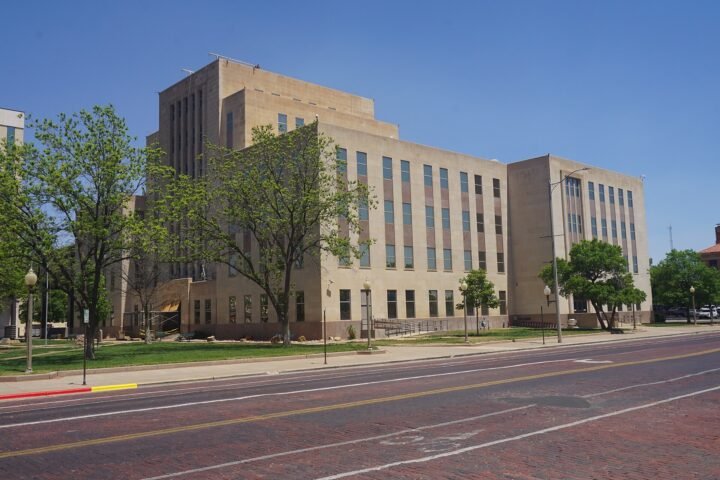
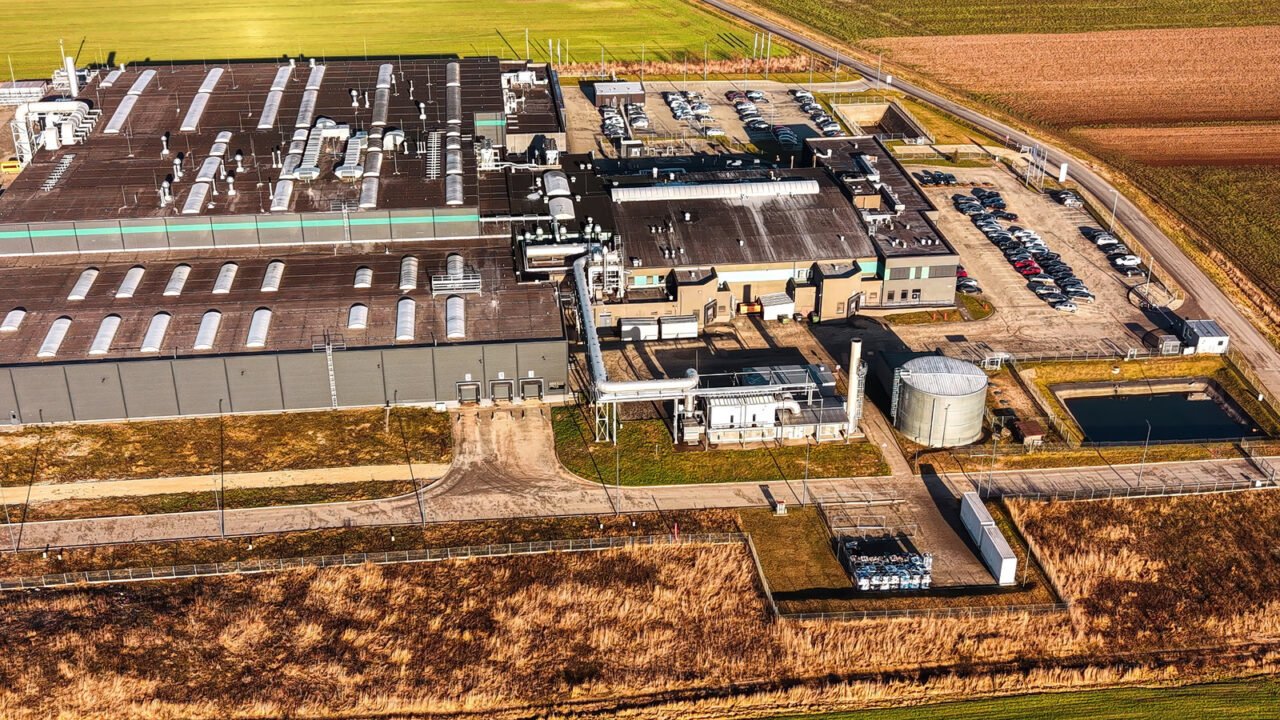
Data centers have been one of the biggest local stories on the South Plains this fall, from Lubbock’s proposed pause on new projects to small-town debates over water and tax breaks. Now Lubbock’s state senator wants to write some ground rules into state law.
State Sen. Charles Perry, R-Lubbock, filed Senate Bill 338 on Thursday, Nov. 12. The bill targets large data centers and ties the tax breaks they can get to how they use water. Here’s what’s in it, in plain English, and why it matters here.
The short version
- Who it covers: Data centers with facilities of at least 100,000 square feet, according to the bill text.
- Water: New covered data centers would have to use low-water cooling, such as closed-loop or dry (air) cooling, estimate their cooling-water needs up front and report actual water use and sources every year.
- Tax breaks: Cities could not give a data center a property tax abatement of more than 50% of the value that would otherwise be eligible.
- The grid: Utilities would have to disconnect a covered data center on the ERCOT grid that uses an unapproved cooling system or skips its required reports, KLTV reported.
- When: If it passes, it would take effect Sept. 1, 2027, and apply to new agreements, not deals already signed.
What the bill would require on water
The bill lists the approved cooling methods: closed-cycle recirculating systems, dry cooling, systems using saline or desalinated water, and other water-efficient systems the Public Utility Commission signs off on. Before connecting, an operator would estimate how much water it needs for cooling and where that water will come from. After that, it would file a yearly report on what it actually used.
Right now, Perry told EverythingLubbock, companies are asked to report water use voluntarily. “This now says you will be required to report to the state your water use on an annual basis,” he said. He also argued the bill mostly locks in what the industry is already doing: “All it does is take what is already being done by the industry and putting it in statute.”
What it would do to tax breaks
For city tax abatements, the bill sets a hard ceiling: no more than 50% of the property’s otherwise-eligible value for a data center. It also changes the state program that lets school districts limit the taxable value of big projects, so a data center could get a value limit of “not more than” 50% instead of a flat 50%. A data center that wants any of those deals, or a city loan or grant, would have to agree to the water rules. It would also have to agree to pay to clean up environmental damage to the site, including if the project is abandoned or torn down.
Perry told EverythingLubbock that early on, some small-county officials granted abatements as large as 85%. “What we’re doing now is that under no circumstance would you ever be able to give over a 50% abatement,” he said. He also pointed to cleanup costs, saying lithium batteries left behind would be “a huge environmental liability that the counties can’t really absorb.”
Noise, light and the grid
The bill directs the Public Utility Commission to set standards limiting noise and light pollution from data centers, and a minimum distance between data center buildings and the edge of the property. State environmental regulators could also deny or suspend a construction stormwater permit if a data center doesn’t or won’t follow those utility rules, KLTV reported.
Why it matters in Lubbock
The Lubbock City Council held the first of two public hearings Nov. 10 on a proposed 90-day moratorium on new rezoning, permitting and annexation applications tied to large data centers. Residents urged the council to pass it, KCBD reported. The second hearing is set for Dec. 10, according to Lubbock Lights. Our earlier explainer on the city’s proposed data center rules covers how that process works and how to speak up.
Nearby towns are in the middle of it too, like Sundown’s vote to join talks on a possible data center. SB 338 would not stop cities from approving projects. It would set statewide conditions on the tax deals and water use that come with them.
What happens next
Bills filed now sit until the Legislature meets. The session starts Jan. 12 and runs through May 31, EverythingLubbock noted. Fifteen other senators have signed on, including at least one Democrat, and the bill would have to clear a Republican-led Senate and a Democrat-led House. “It’s a bipartisan issue,” Perry said.
For more on what Lubbock’s delegation wants out of the 2027 session, see our look at Perry’s and Rep. Carl Tepper’s priorities. We’ll follow SB 338 as it moves.
Sources
- Texas Legislature Online, SB 338 introduced text: https://capitol.texas.gov/tlodocs/90R/billtext/html/SB00338I.htm
- EverythingLubbock (KAMC/KLBK), Nov. 13, 2026: https://www.everythinglubbock.com/news/local-news/lubbock-lawmaker-files-bill-for-more-restrictions-on-large-scale-data-centers/
- KLTV, Nov. 12, 2026: https://www.kltv.com/2026/11/12/16-senators-author-sweeping-legislation-data-centers/
- KCBD, Nov. 10-11, 2026: https://www.kcbd.com/2026/11/11/lubbock-residents-urge-council-pass-data-center-moratorium/
- Lubbock Lights Daily Ledger: https://lubbocklights.com/ledger/