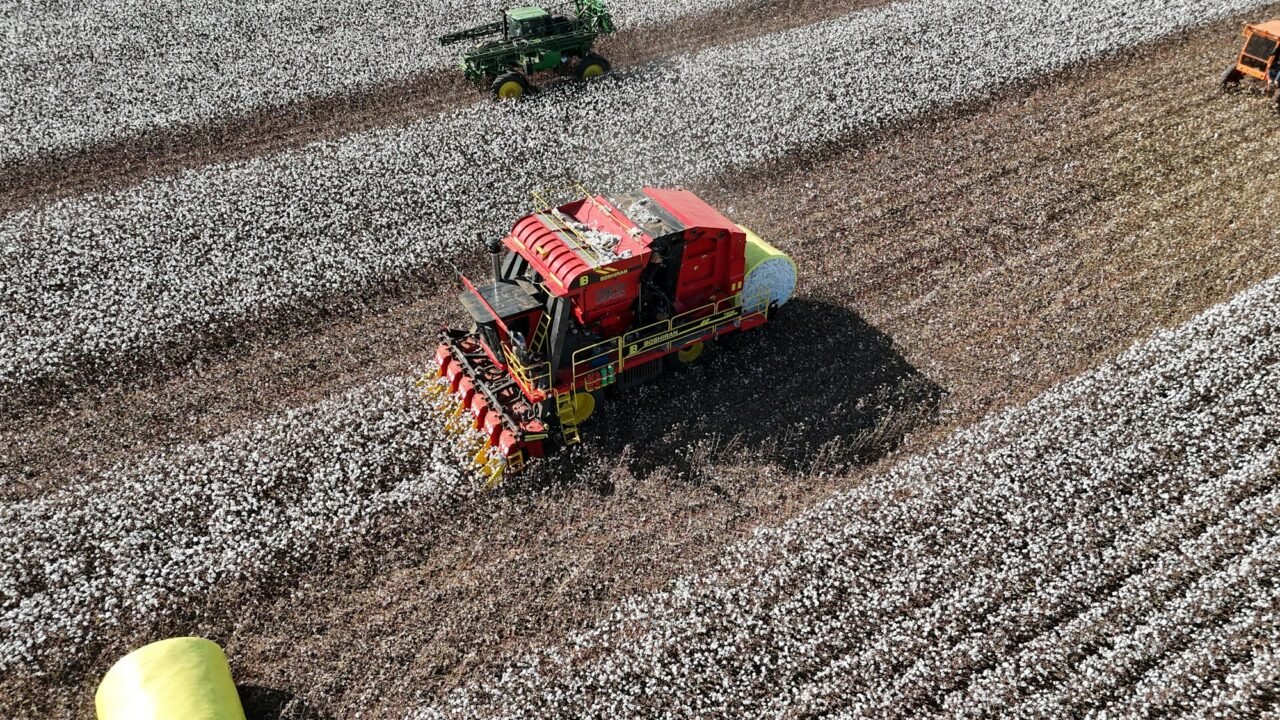
Harvest is in full swing across the South Plains, and this year a lot of farmers have paid noticeably more for the diesel that keeps the strippers, combines and trucks moving. A new federal program aims to cover part of that cost, but the money won’t arrive this year.
The U.S. Department of Agriculture announced the $8 billion Harvest Fuel Relief Program on Oct. 19. Here’s what we know so far and what area producers can do now.
What the program is
According to USDA’s announcement, the program will make one-time payments to farmers to provide relief during “temporary market disruptions and increased input costs” this harvest season. The Farm Service Agency (FSA) will run it.
USDA says it will work much like this year’s Farmer Bridge Assistance program, using a single formula to cover part of modeled losses for the 2026 crop year. That national loss average will be based on planted acres reported to FSA, Economic Research Service cost-of-production estimates, and yields and prices from the World Agricultural Supply and Demand Estimates (WASDE) report.
Key dates and details
- Payment rates: USDA says commodity-specific rates for Title I commodities, which include major row crops like cotton, corn, wheat and sorghum, will be released in November. Methods for other eligible commodities will come later.
- Applications: USDA says pre-filled applications will be available online to producers who have a Login.gov account linked to USDA. Texas Corn Producers, which is based in Lubbock, told its members applications are expected to open in January 2027, with payments after that.
- Crop insurance: farmers don’t need crop insurance to take part, according to USDA.
- Specialty crops: USDA is asking growers of non-Title I commodities to send data on their higher fuel costs to HarvestFuel@usda.gov so it can be considered when rates are set.
What local farm groups are saying
Kody Bessent, CEO of Lubbock-based Plains Cotton Growers, told KCBD the program is meant to help producers absorb some of their higher costs, not cover all of them. He told the station diesel prices in the area have climbed from roughly $3.50 a gallon to nearly $6. He also noted that many farmers started harvesting early this year, and that farm costs ripple out to the local businesses that depend on agriculture.
According to KCBD, Bessent said USDA plans to rely on Economic Research Service data, FSA acreage reports (often called 578 reports) and November’s WASDE report to figure out payments.
Texas Corn Producers welcomed the program too. “Fuel costs have hit Texas corn farmers hard this year, from every pass across the field to harvest and the long hauls to get grain to market,” Executive Director Bryce White said in a statement.
What to do now
Payments are based on acres reported to FSA, so producers should make sure their 2026 acreage reports are complete and up to date. USDA also suggests setting up a Login.gov account and linking it to USDA before applications open.
Questions about acreage records or eligibility should go to your county FSA office. You can find contact information for the Lubbock County office, or any other county office, with the USDA Service Center Locator.
Why it matters here
Agriculture is a big part of the economy in Lubbock and the surrounding counties, from Shallowater and Idalou to Levelland and Plainview. When fuel costs rise during harvest, the hit reaches gins, elevators, equipment dealers and Main Street businesses too.
Hub City UnCovered will update this story when USDA releases payment rates in November.
Sources
- USDA press release, Oct. 19, 2026: https://www.usda.gov/about-usda/news/press-releases/2026/10/19/trump-administration-announces-8-billion-harvest-fuel-relief-program
- KCBD (Dayna Glover), Oct. 26, 2026: https://www.kcbd.com/2026/10/26/trump-administration-announces-8-billion-harvest-fuel-relief-program/
- Texas Corn Producers, Oct. 20, 2026: https://texascorn.org/texas-corn-producers-welcomes-usdas-harvest-fuel-relief-program/
- USDA Service Center Locator: https://www.farmers.gov/working-with-us/service-center-locator